Crafting a Killer Freelance Portfolio
A strong freelance portfolio is your golden ticket to landing clients. It’s a dynamic showcase of your skills, experience, and personality, proving you’re the right person for the job. Forget lengthy resumes and generic cover letters; your portfolio lets your work speak volumes. Here’s how to build one that gets you hired:
1. Define Your Niche and Target Audience
Before you even think about design or content, clarify your niche. Are you a web designer specializing in e-commerce sites for small businesses? A content writer focused on B2B tech? The more specific you are, the better you can tailor your portfolio to attract ideal clients. Consider their needs, pain points, and aesthetic preferences. This focused approach makes your portfolio a magnet for the work you actually *want* to do.
2. Curate Your Best Work
Quality over quantity reigns supreme. Select projects that demonstrate your range of skills, solve real problems, and align with your target audience. Don’t include everything you’ve ever done; just your absolute best work. If you’re just starting out and lack professional projects, consider creating spec work – projects designed to showcase your abilities even if they weren’t commissioned. Think redesigning a local business’s website, writing sample blog posts for a hypothetical client, or designing a mobile app interface.
3. Choose the Right Platform
Several options exist for hosting your portfolio:
- Personal Website: Offers the most control over design and branding. Platforms like WordPress, Wix, and Squarespace make building a website relatively easy, even without coding knowledge.
- Portfolio Platforms: Sites like Behance, Dribbble (for designers), and Contently (for writers) are specifically designed for showcasing creative work. They offer built-in communities and visibility.
- LinkedIn: A professional networking platform that allows you to showcase your work and experience directly on your profile.
- PDF Portfolio: A readily shareable and easily printable option, ideal for attaching to emails or bringing to in-person meetings.
Consider your budget, technical skills, and target audience when choosing a platform. A personal website allows for customization and brand control, while portfolio platforms offer built-in exposure.
4. Showcase Your Projects Effectively
Each project in your portfolio should tell a story. Don’t just display the final product; provide context:
- Project Title and Description: Clearly state the project’s purpose and your role in it.
- Challenge/Problem: Explain the problem you were hired to solve.
- Solution: Describe the approach you took and the tools you used.
- Results: Quantify the impact of your work whenever possible (e.g., “Increased website traffic by 30%,” “Generated 50 qualified leads”).
- Visuals: Use high-quality images, videos, or mockups to showcase your work.
Make it easy for potential clients to understand the value you bring to the table. Highlight key skills and achievements within each project description.
5. Craft a Compelling “About Me” Section
Your “About Me” section is your chance to connect with potential clients on a personal level. Share your story, your passion for your work, and your unique value proposition. Include a professional headshot, a brief summary of your skills and experience, and a call to action (e.g., “Contact me for a free consultation”). Keep it concise, engaging, and focused on what you can offer clients.
6. Gather Testimonials and Social Proof
Positive feedback from previous clients is incredibly powerful. Ask satisfied clients if they’d be willing to provide a testimonial you can feature on your portfolio. Displaying testimonials builds trust and credibility. If possible, include client logos to further reinforce your expertise.
7. Make it Easy to Contact You
Your portfolio should have a clear and prominent contact form or call to action. Include your email address, phone number (if you’re comfortable sharing it), and links to your social media profiles. Make it effortless for potential clients to reach out and start a conversation.
8. Keep it Updated and Fresh
Your portfolio is a living document. Regularly update it with your latest work, remove outdated projects, and refresh the design as needed. A stale portfolio can give the impression that you’re no longer active in your field. Stay current with industry trends and showcase your evolving skills.
9. Proofread and Get Feedback
Before launching your portfolio, carefully proofread all text for errors. Ask friends, colleagues, or mentors to review it and provide feedback on the design, content, and overall user experience. A fresh pair of eyes can often catch mistakes you might have missed.
By following these steps, you can create a compelling freelance portfolio that showcases your talents and helps you land the clients you deserve. Remember to tailor your portfolio to your target audience, highlight your best work, and make it easy for potential clients to connect with you.
 1200×675 tips building amazing freelance portfolio from startuptalky.com
  1200×628 freelancers create professional portfolio from www.beforeyougofreelance.com
  1024×683 build freelance portfolio from freelancernews.co.uk
  736×420 tips building stunning freelance portfolio from gigsdoneright.com
 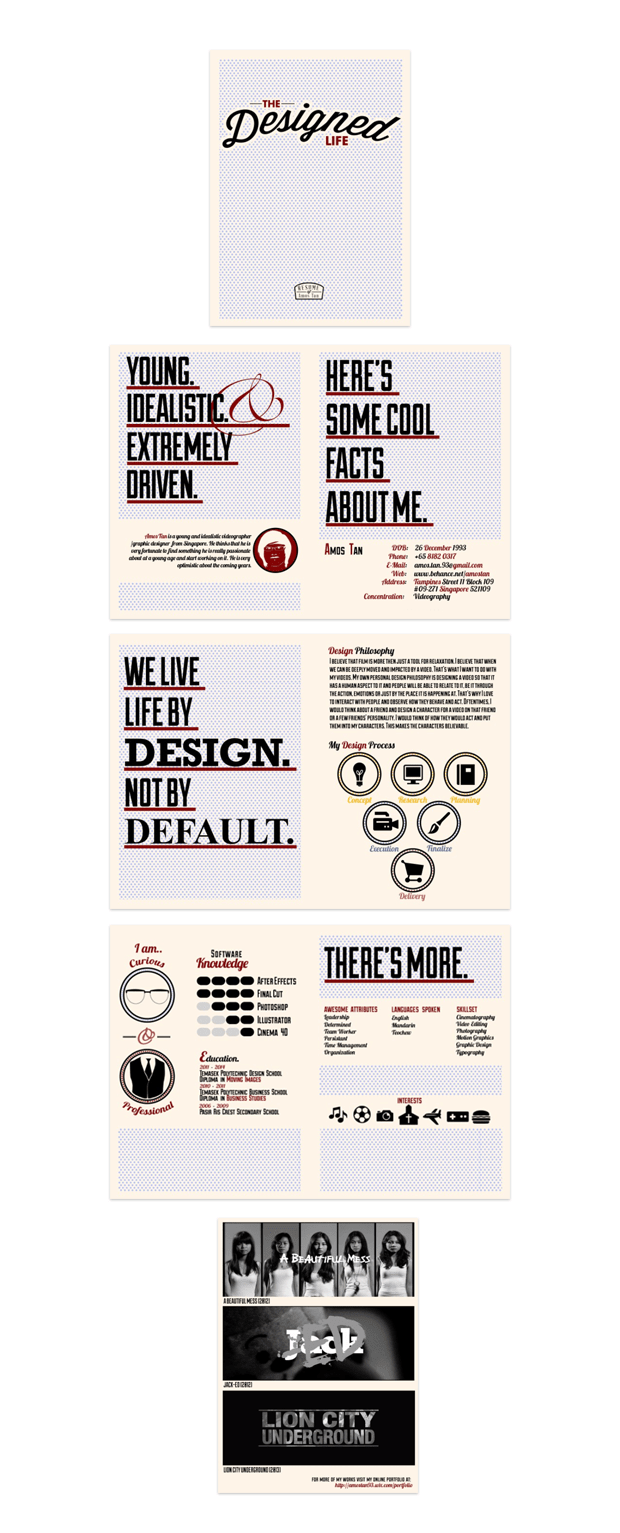 0 x 0 tips build amazing freelance portfolio flipsnack blog from blog.flipsnack.com
  1200×800 build freelance portfolio drum business from christopherjanb.com
 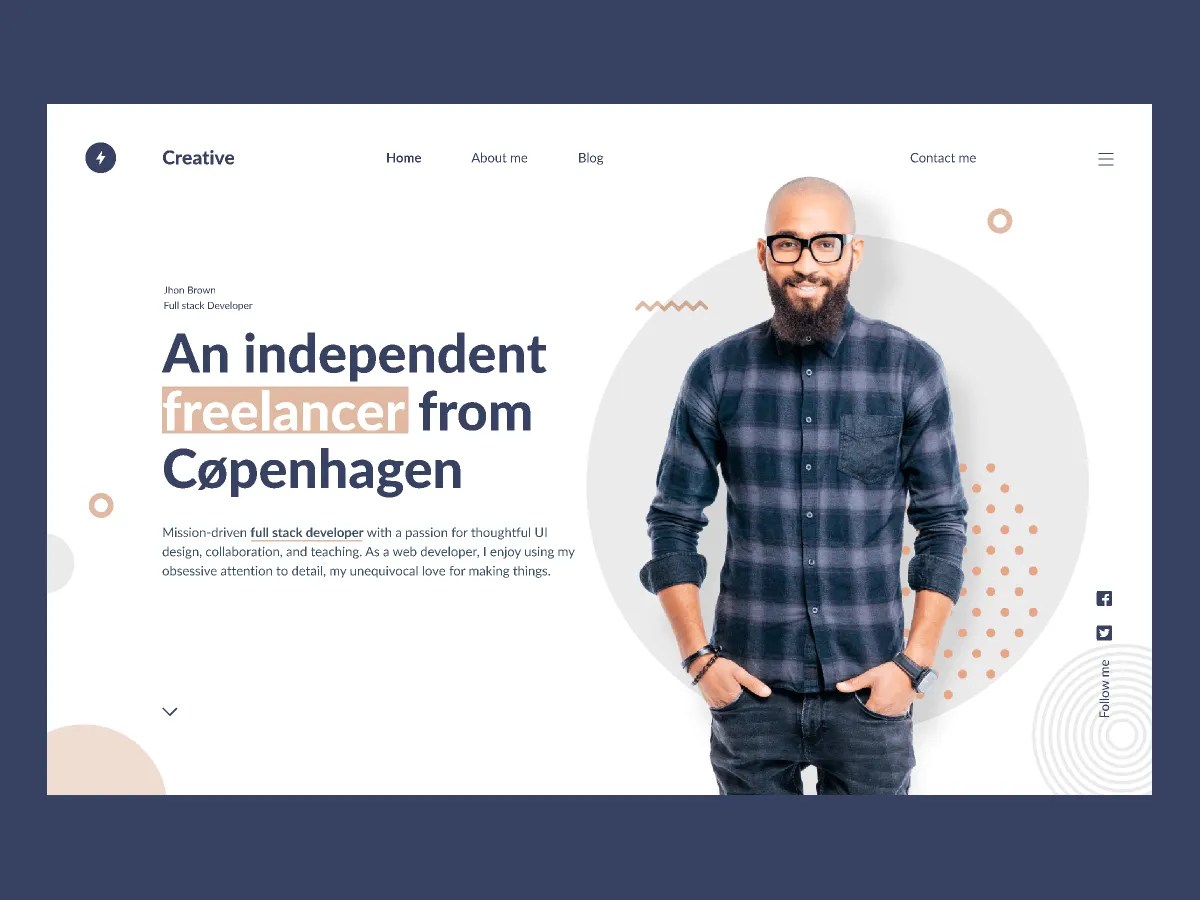 1200×900 freelance portfolio concept design ahmad araj dribbble from dribbble.com
  1200×800 build freelance portfolio hired remote bliss from remotebliss.com
  800×800 tips creating awesome freelance writing portfolio from ruthmakesmoney.com
  800×1200 build freelance writing portfolio beginner dream scribe from dreamscribe.co.uk


Tidak ada komentar:
Posting Komentar